Mention celebrity personalities during a branding workshop and you’ll usually get a few raised eyebrows.
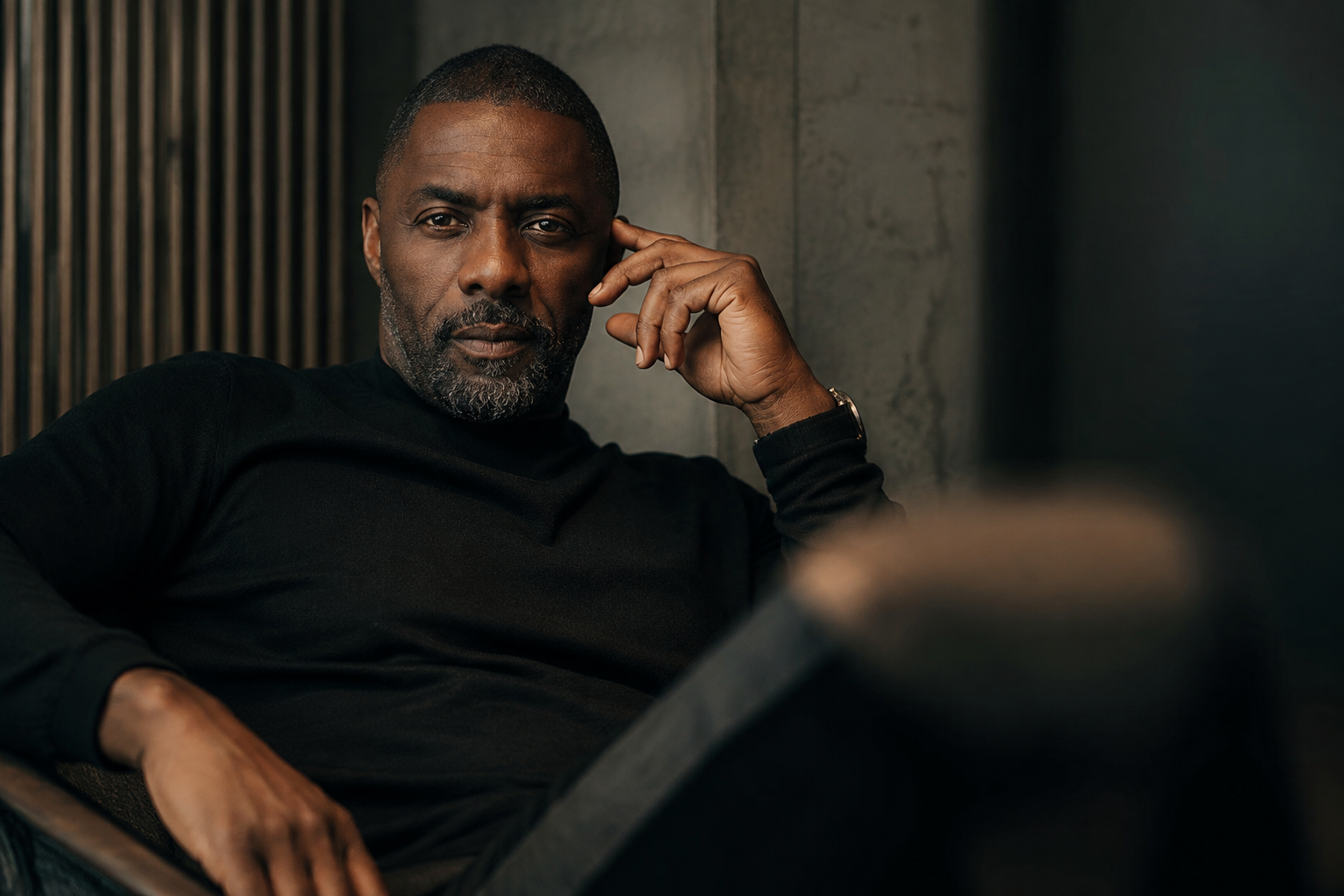
On the surface, it sounds like one of those classic marketing exercises. “Your brand is Idris Elba.”
It’s easy to dismiss as a fun workshop activity that doesn’t really have much value once the strategy session is over.
Ironically, we’ve found the opposite to be true.
Over the years, it’s become one of our favourite practical tools for helping businesses apply their strategy more consistently. Not because we want brands to behave like celebrities, but because strategy is only valuable when people know how to use it. A personality simply gives everyone the same practical reference point for making decisions long after the workshop has finished.
The challenges with Brand Strategy
One of the challenges many businesses face after developing a brand strategy is translating it into everyday decisions.
A business can spend weeks defining its vision, positioning, values and personality. The strategy is agreed, the document is beautifully presented and everyone leaves aligned around where the brand is heading.
Then the practical decisions begin.
Someone is writing social media content. A sponsorship opportunity lands on your desk. A campaign concept is presented. Suddenly, the question becomes, “Does this actually feel like us?”
That’s often where businesses start looking for practical ways to bring their strategy into day-to-day decision-making. After all, strategy often lives in abstract ideas, while everyday business requires practical judgement.
Strategy creates direction. Practical tools help teams apply it consistently.
People Are Easier to Understand Than Abstract Ideas
Imagine your strategy defines the brand as aspirational and approachable.
Those are useful strategic principles, but they’re also open to interpretation. Ask a room full of people whether an event feels aspirational and approachable, and you’re likely to get a range of different opinions.
Now ask a different question.
Would Idris Elba go to this event?
Most people arrive at an answer much more quickly.
That’s because people are naturally easier to understand than abstract personality traits. We instinctively have a sense of how someone communicates, the environments they belong in and the kinds of choices they would probably make.
The goal isn’t to replace strategy. It’s actually the opposite. It builds on the strategic thinking that’s already been done, giving people a practical way to apply it more consistently.
Why We Often Choose Celebrities
The celebrity itself isn’t really the point.
The value comes from choosing someone who genuinely reflects the personality already defined in the strategy and who everyone already understands.
That person might be a celebrity, an athlete, a founder or even someone inside the business. Celebrities often work well because they provide a shared point of reference. Most people already have a similar understanding of their public personality, making conversations quicker and helping decisions stay more consistent.
We’re also not pretending to know these people personally.
We’re simply using the public personality they’ve built over time. That’s usually enough to ask practical questions about whether an idea feels aligned with the brand.
The point isn’t who they are. It’s choosing someone who fits the brand and everyone instantly understands.
People Can Hold Layers. Great Brands Can Too.
One of my favourite examples is Idris Elba.
He’s sophisticated enough that people have wanted him to play James Bond, yet he’s equally comfortable DJing at festivals around the world. He’s polished without feeling pretentious, premium without feeling unapproachable, and quietly confident without demanding attention.
Those combinations are exactly why people make such useful brand references.
Many businesses want to feel aspirational but approachable, or premium while still remaining personable. Written as a list of adjectives, those qualities can feel vague or even contradictory.
Attach them to someone people already understand, and they suddenly become much easier to visualise.
Turning Strategy Into Something Practical
One approach we’ve found particularly useful is identifying a person who naturally embodies the strategy you’ve already built. It always starts with strategy. Before anyone mentions a celebrity, there needs to be a clear understanding of the brand’s positioning, values, behaviours and ambitions.
From there, we look for someone who naturally reflects those characteristics. The choice should feel like a natural extension of the strategy, rather than someone who’s simply famous.
That person then becomes a shared reference point for the team. Whether you’re reviewing a campaign, writing content, considering a sponsorship or planning an event, it becomes easier to sense-check decisions through a personality everyone already understands.
Rather than repeatedly asking whether something feels “on-brand”, the question becomes much more practical:
Would this person do it?
A Real Example
One of our clients was repositioning their business around a very specific kind of trust.
The strategic direction wasn’t about becoming louder or making bigger claims. Instead, it focused on reliability, consistency and proving performance over time. The strategy shifted away from promise-led messaging towards the belief that trust is earned through delivery rather than declarations.
As we developed the brand personality, we weren’t looking for someone who was charismatic or attention-seeking. We were looking for someone whose public reputation naturally reflected that direction.
We landed on Scottie Scheffler.
Not because he plays golf, but because of what he represents. His public image is built around discipline, consistency and an obsession with fundamentals. He’s known for quietly delivering when it matters rather than seeking attention for doing so, making him a remarkably good fit for the strategic direction we’d already established.
From that point on, conversations became noticeably easier. Rather than debating whether something felt measured, credible or appropriately restrained, the team could simply ask, “Would Scottie Scheffler do this?” It became a shared reference point that helped keep decisions aligned with the strategy.
Sometimes the Best Personality Is Already Inside the Business
Despite the title of this article, the personality doesn’t have to be a celebrity.
At Coffee Creative, we often say our own brand is a little like Chels.
Not because we’re trying to build the agency around one person, but because everyone on the team already understands her personality, her judgement and the way she naturally approaches things.
If we’re unsure about a piece of content, an event or an idea, it’s surprisingly easy to ask ourselves, “Would Chels do this?”
The answer usually comes naturally because everyone shares the same understanding of who she is. That’s the real value of a personality. It isn’t about fame. It’s about creating a shared reference point that helps people apply the strategy more consistently.
Bringing Strategy to Life
A brand personality isn’t a replacement for strategy.
It’s a practical tool that builds on the strategy you’ve already invested in, helping teams apply that thinking more consistently as the brand grows and evolves.
By taking the abstract idea of who your brand is, finding someone who naturally represents it and who everyone already understands, you create a shared reference point that makes day-to-day decision-making easier.
Will it solve every branding challenge? Of course not.
But if it helps your team make more consistent decisions, stay closer to the strategy you’ve invested in, and spend less time debating what “on-brand” actually means, it’s doing exactly what it was designed to do.
Because the strongest strategies aren’t necessarily the ones with the cleverest words.
They’re the ones people can actually use every day.
Strategy That Doesn’t Stop at Strategy
A strong brand isn’t built on a clever logo or a list of adjectives. It’s built on a clear understanding of who the brand is, what it stands for and how that translates into every decision that follows.
Celebrity personalities are just one of the many practical tools we use throughout our strategy process to bridge the gap between thinking and execution.
If you’re looking for more than a strategy document – if you’re looking for a brand your whole team can understand, apply and build consistently – we’d love to help.
Let’s build a brand strategy that works long after the workshop ends.